


Kihealth Europe
Science & Technology

A molecular grammar for early disease detection

InterceptIQ™ unifies ultra-deep cell-free DNA sequencing, fragmentomic and methylation analysis, and machine-learned tissue-of-origin inference — engineered to evaluate active disease biology associated with cellular injury, before clinical signal.

The Kihealth Workflow

From blood sample to biological insight

Every Kihealth result is powered by advanced molecular biology, precision laboratory workflows and proprietary analytical processes — engineered to transform a single tube of blood into actionable clinical intelligence.

Phase 01 · Patient Blood Collection
Channel 01/10
Volume
10 mL
Temp
4.2 °C
Live signal
Phase 01 / 10

Patient Blood Collection

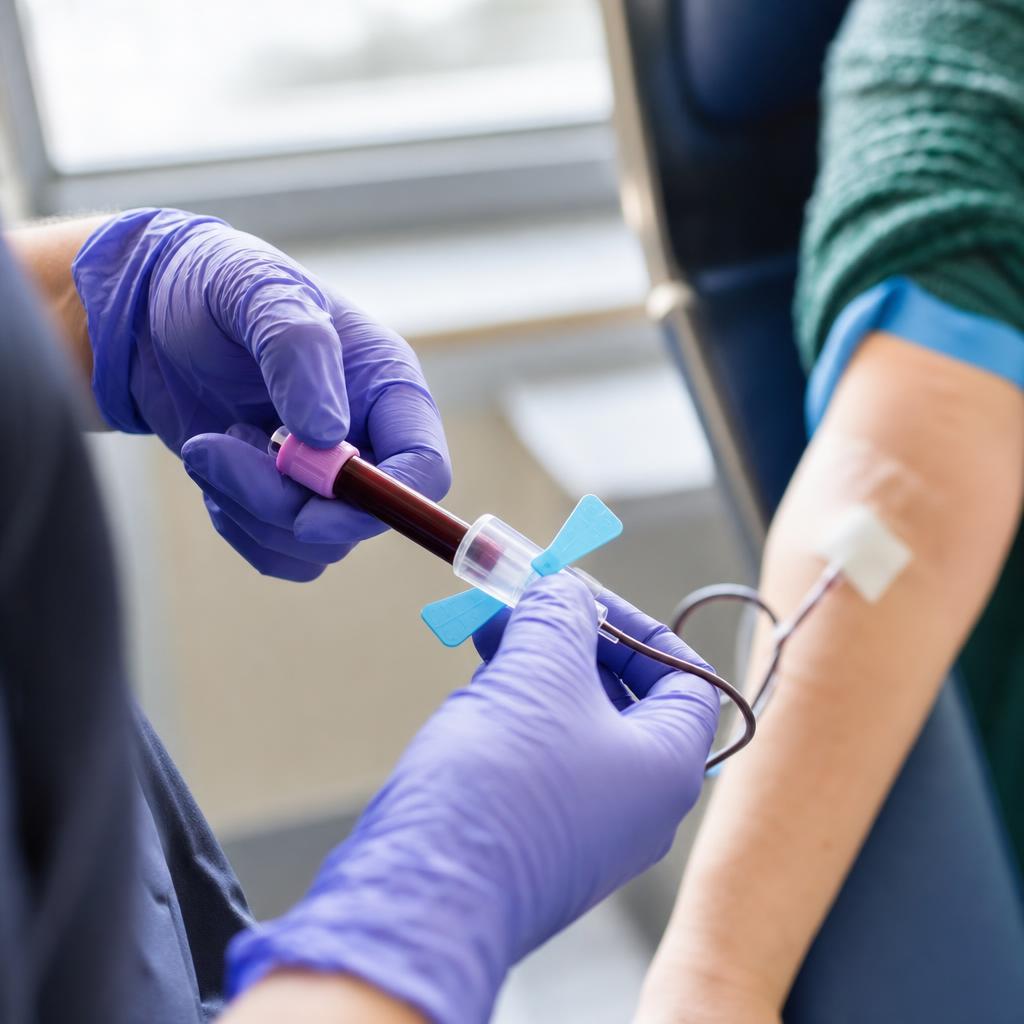
A blood sample is collected using specialized collection technology designed to preserve cell-free DNA and maintain sample integrity throughout transportation and processing.

1

Patient

2

Blood Draw

3

Streck Tube

Auto-advanceStep 1 of 10
Platform Capabilities

Powered by advanced molecular diagnostics

Five interlocking capabilities — combined, they form a diagnostic platform engineered for sensitivity, specificity and longitudinal insight.

Capability 01

Cell-Free DNA Analysis

cfDNA fragments carry tissue-specific epigenetic information. By analysing them, Kihealth can evaluate biological activity from tissues such as the pancreas without invasive sampling.

Molecular biology
Precision chemistry
Analytical depth
The Big Takeaway

Transforming a blood sample into actionable health intelligence.

The future of diagnostics is not simply measuring disease. It is understanding the biological processes that occur before disease becomes visible.

01
Blood Sample
02
Molecular Biology
03
Advanced Analytics
04
Clinical Intelligence
Disease Biology

The biology behind the disease

Diabetes is, at its core, a story about a single cell type. Each section below unpacks one chapter — the immune attack of Type 1, the metabolic exhaustion of Type 2, the architecture of the islet itself, and the life and death of the beta cell.

  • Autoimmune disease in which the body's own immune system targets insulin-producing beta cells.
  • Immune-mediated destruction begins years before clinical symptoms appear.
  • Disease progresses through defined stages — autoantibody seroconversion (Stage 1), dysglycaemia (Stage 2), clinical onset (Stage 3).
  • Loss of endogenous insulin production drives lifelong dependence on exogenous insulin.
  • Clinical progression can be rapid, especially in younger patients — often presenting with diabetic ketoacidosis.
Autoimmune cascade

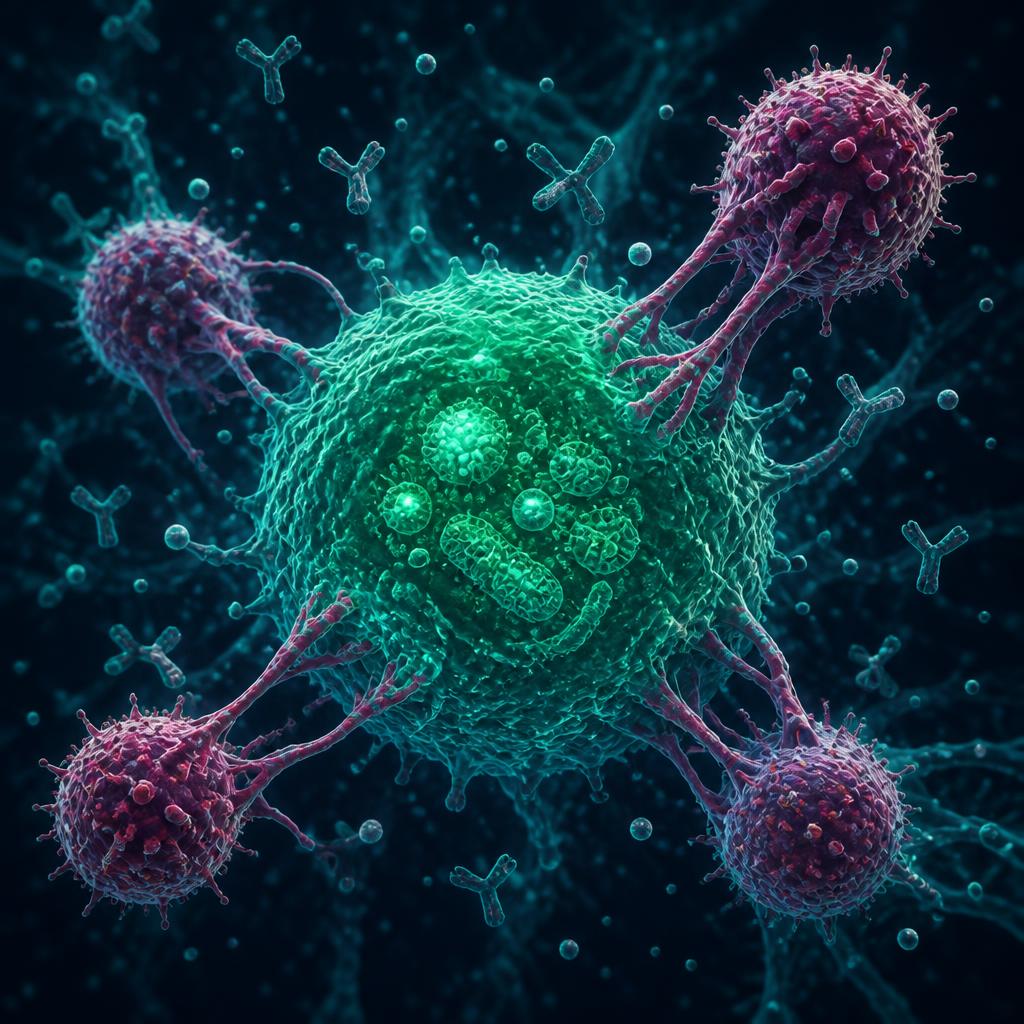
Type 1 is a story of misdirected immunity — the body learning to attack the very cells that keep it alive.

Platform Substrate

From a single tube of blood to molecular intelligence

Fragments of cell-free DNA shed by dying cells carry tissue-specific methylation patterns. By reading these patterns, InterceptIQ™ is designed to evaluate which tissues are under stress — and to translate that signal into clinically interpretable insight for research and potential future diagnostic use.

Layer

Plasma

A single draw of blood may hold the earliest molecular signal of disease activity.

Layer

cfDNA

Fragments shed by dying cells carry tissue-specific epigenetic fingerprints.

Layer

Methylation

Patterns turn molecular noise into a structured, tissue-resolved signal.

Layer

AI Inference

Multi-task models being investigated to jointly resolve tissue-of-origin and disease state.

InterceptIQ™ Architecture

A vertically integrated diagnostics stack

Five tightly coupled layers — from wet lab to clinical report — each instrumented, quality-controlled and engineered for regulatory, payer and academic review across European jurisdictions.

L1 · Wet Lab

Capture

Proprietary low-input library chemistry designed to preserve fragmentomic and methylation detail from picogram-level cfDNA in plasma, urine or cerebrospinal fluid.

  • ·KH-Capt™ chemistry
  • ·Plasma · urine · CSF
  • ·Accredited laboratory standards
< 1 ng
minimum cfDNA input
L2 · Genomics

Sequence

Whole-genome bisulfite sequencing at deep coverage with custom basecalling tuned for cfDNA fragment biology and audited per-base quality.

  • ·NovaSeq X · 30×–120×
  • ·KH basecaller
  • ·Q-score audited
82×
median coverage
L3 · Bioinformatics

Decode

Containerised, reproducible pipelines decoding methylation, fragmentomic and end-motif signal at single-molecule resolution.

  • ·~2.4M features / sample
  • ·Federated GDPR-aligned infrastructure
  • ·Open methods
2.4M
features per sample
L4 · AI

Infer

Multi-task InterceptIQ models being investigated to jointly learn tissue-of-origin and disease state — with calibrated probability outputs and feature attribution.

  • ·Tissue-of-origin atlas
  • ·Calibrated probability
  • ·Interpretable features
47
cell types resolved
L5 · Clinical

Deliver

Physician-facing reports being developed under accredited laboratory standards and intended to integrate with European electronic health record environments through standards-based interfaces.

  • ·HL7 / FHIR · EHR
  • ·Accredited report sign-out
  • ·Evidence dossiers
< 14d
sample-to-report target
Sample → Signal → Intelligence

From a single tube of blood to clinical insight in six instrumented stages

The InterceptIQ™ pipeline is a continuous instrument loop. Each stage is quality-controlled, traceable and engineered to preserve fragmentomic detail from picogram-level input through to clinical reporting.

  1. 01

    Blood draw

    10 mL plasma · single tube

    Standard EDTA collection

  2. 02

    cfDNA capture

    Low-input library chemistry

    Proprietary KH-Capt™

  3. 03

    Sequencing

    Whole-genome bisulfite

    Illumina NovaSeq X

  4. 04

    Methylation atlas

    ~2.4M epigenetic features

    KH-Atlas

  5. 05

    AI inference

    Multi-task model

    InterceptIQ™

  6. 06

    Clinical report

    Physician-facing readout

    HL7 / FHIR · EHR

Why Beta Cells Matter

Beta-cell apoptosis as a measurable biological event

Pancreatic beta cells maintain glucose homeostasis. Increasing evidence suggests that beta-cell injury and apoptosis may begin years before clinical diabetes is diagnosed, releasing tissue-specific cell-free DNA fragments into circulation.

By focusing on biological signals associated with beta-cell health, Kihealth is advancing research being studied to identify earlier indicators of disease activity and progression across the diabetes continuum.

This work reflects Kihealth's broader mission to move healthcare beyond the detection of established disease toward earlier biological insight and more informed clinical decision-making.

BetaIntercept™ Programmes

Two flagship programmes addressing the diabetes continuum

BetaIntercept™ T1

Type 1 Diabetes research

Type 1 Diabetes is characterised by autoimmune-mediated injury of insulin-producing beta cells. BetaIntercept™ T1 is designed to evaluate biomarkers associated with beta-cell injury and loss via cell-free DNA methylation, providing insight being investigated for disease progression and biological activity.

The platform is being studied to support research into disease onset, autoimmune staging, therapeutic response and beta-cell preservation strategies, including the European clinical landscape following recent disease-modifying therapy approvals.

Autoimmune activity
Beta-cell injury
Beta-cell loss
Metabolic dysfunction

BetaIntercept™ T1 is designed to evaluate biological activity associated with earlier stages of this sequence.

BetaIntercept™ T2

Type 2 Diabetes & metabolic health

Type 2 Diabetes develops gradually through interactions between insulin resistance, metabolic stress, low-grade inflammation and beta-cell dysfunction. BetaIntercept™ T2 is a multi-tissue methylation panel being studied alongside traditional metabolic indicators to offer a broader view of disease biology.

This approach is intended to support research into earlier biological changes that may occur before conventional markers indicate significant metabolic impairment, with extensions being investigated for metabolic-associated steatotic liver disease.

Metabolic stress
Insulin resistance
Beta-cell injury
Disease progression being investigated
Continue

Review the validation evidence or explore the full European pipeline.