Foundational Platform
Intercept IQ™
The molecular substrate behind every Kihealth programme — cell-free DNA, beta-cell methylation signatures and AI-driven tissue-of-origin inference.

Kihealth Europe is pioneering a new category of molecular diagnostics focused on identifying the biological changes that precede Type 1 Diabetes, Type 2 Diabetes, and metabolic disease — helping move healthcare from disease management to disease prevention.

Type 1 Diabetes is an autoimmune disease that silently destroys pancreatic beta-cells for months or years before the first symptom. It is rising fastest in children — and by the time it is diagnosed, most of the pancreas has already been lost.
People worldwide living with Type 1 Diabetes today.
Annual increase in Type 1 Diabetes incidence in children globally.
Beta-cell mass typically lost before diagnosis is made.
Children presenting in diabetic ketoacidosis at first diagnosis.
Estimated life-years lost when Type 1 Diabetes is diagnosed in childhood.
Cardiovascular mortality vs. non-diabetic peers over the lifespan.


Sources: IDF Diabetes Atlas (10th ed.), JDRF T1D Index, published clinical literature on beta-cell decline.
Type 2 Diabetes now affects roughly one in ten adults on Earth. It advances silently through pre-diabetes and beta-cell stress for a decade or more before glucose finally rises — and hundreds of millions remain undiagnosed.


Adults living with Type 2 Diabetes worldwide today.
Adults globally now living with diabetes — the vast majority Type 2.
Of adults with diabetes remain undiagnosed and untreated.
Adults living with impaired glucose tolerance — pre-diabetes.
Typical duration of undetected beta-cell decline before diagnosis.
Increased risk of heart attack, stroke and kidney failure.
Sources: IDF Diabetes Atlas (10th ed.), WHO Global Report on Diabetes, The Lancet Global Burden of Disease.

Diabetes and metabolic disease together account for more health expenditure than any other chronic condition on the planet — and the curve is still climbing. Every year of earlier detection compounds into decades of avoided cost, complication and suffering.
Global diabetes health expenditure in 2021 — up 316% over 15 years.
Projected annual diabetes health expenditure by 2045.
Annual cost of diagnosed diabetes in the United States alone.
Estimated annual diabetes-related spend across the European Union.
Deaths attributed to diabetes and its complications each year.
Adults with diabetes today — projected to reach 783M by 2045.
Global healthcare euros now spent on diabetes-related care.
Adults worldwide living with overweight or obesity — the metabolic pipeline.
Sources: IDF Diabetes Atlas (10th ed.), American Diabetes Association Economic Cost Report, WHO Global Report on Diabetes, OECD Health at a Glance, World Obesity Federation.
By the time disease declares itself, the damage — and the cost — is already done.
Kihealth Europe exists to move detection upstream, before symptoms and before spend compounds.
The InterceptIQ™ platform is designed to detect active disease biology from a routine blood draw. By reading cell-free DNA and epigenetic signals released by injured beta cells, we aim to intercept Type 1 Diabetes, Type 2 Diabetes and metabolic disease near onset — when biology may still be modifiable, and long before downstream complications accumulate.
Traditional biomarkers like HbA1c and glucose only move once significant beta-cell mass is already lost. Demethylated INS cfDNA — released when beta cells die — rises years earlier, opening a window of opportunity to intervene before irreversible loss.
Stable early, rising sharply only once significant beta-cell loss has occurred.
Largely preserved through the window of opportunity, then declines once clinical dysfunction begins.
Rises first — peaking inside the window — then declines as the at-risk reserve is depleted.
HbA1c and glucose often stay within the normal range while silent beta-cell injury is already underway.
Demethylated INS cfDNA rises as beta cells undergo apoptosis — a direct, earlier molecular signal.
Earlier detection opens the window to preserve functional beta-cell mass before substantial loss has occurred.
Between the first molecular signs of beta-cell injury and the appearance of clinical symptoms lies a silent biological window — measurable, potentially actionable, and previously invisible to routine diagnostics.
Beta cells produce insulin and maintain glucose control. Their dysfunction and loss are the central events driving both Type 1 and Type 2 Diabetes.
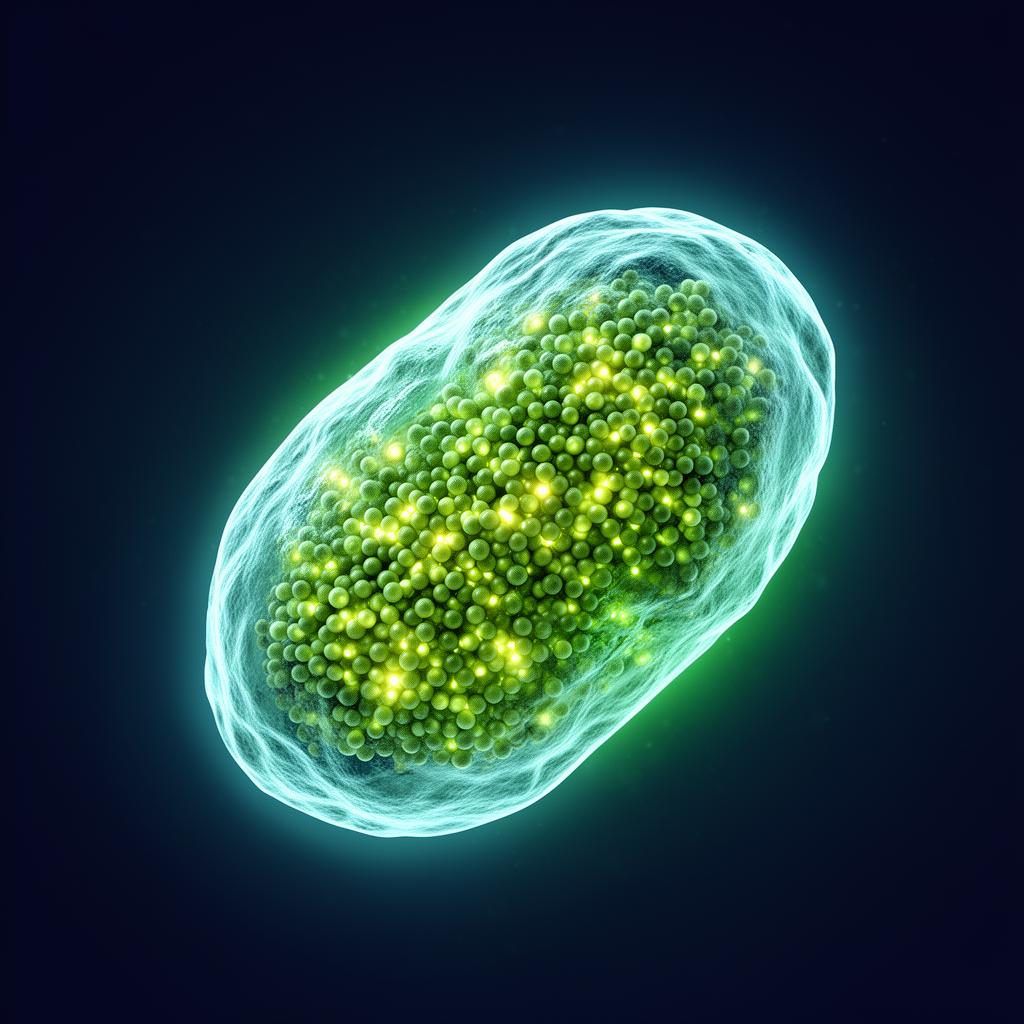
Insulin granules are abundant, the membrane is intact, glucose sensing is precise. The pancreas maintains metabolic balance silently in the background.
Diabetes is fundamentally a disease of beta-cell dysfunction and loss. Measure the cell, and you measure the disease — before it declares itself.
BetaIntercept™ is built on the InterceptIQ™ platform, which unites multi-omics data with the KI Intelligence AI engine to detect active disease biology from a routine blood draw — before clinical symptoms appear.
See the platform architectureLow-input library chemistry designed to preserve fragmentomic and methylation detail from picogram-level cell-free DNA.
Whole-genome bisulfite sequencing and multi-omics profiling tuned for cfDNA fragment biology, with quality-audited basecalling.
Reproducible pipelines decoding methylation, fragmentomic and end-motif signal at single-molecule resolution.
KI Intelligence AI engine being investigated to jointly resolve tissue-of-origin and disease state, with calibrated probability outputs.
Physician-facing reports being developed under accredited laboratory standards and delivered through standards-based interfaces.
The molecular substrate behind every Kihealth programme — cell-free DNA, beta-cell methylation signatures and AI-driven tissue-of-origin inference.
Beta-cell unmethylated INS cfDNA designed to evaluate active immune-mediated beta-cell destruction across Stage 1–3 Type 1 Diabetes.
Multi-tissue metabolic methylation panel surfacing beta-cell stress and dysfunction long before traditional markers move.
Forward-looking research extending Intercept IQ™ into adjacent metabolic indications where beta-cell biology offers a measurable signal.
Traditional diabetes monitoring relies on glucose, HbA1c, insulin and C-peptide — markers that typically reflect metabolic dysfunction after substantial biological change has already occurred.
BetaIntercept™ is designed to evaluate biological signals associated with pancreatic beta-cell health, providing insight into processes being investigated that may precede traditional markers of progression.

Measuring biology before symptoms — when intervention may be most effective.
Designed to surface the active biology driving disease, improving clinical decision-making and supporting development of better interventions.
Supporting research into disease while it may remain reversible, and monitoring response over time.
Helping curb the progression of type 1 diabetes across Europe, so more children and families never have to face a diagnosis.